
Telehealth has changed the way we get urgent care. You no longer need to sit in a crowded waiting room. With a smartphone or computer, you can talk to a doctor in minutes. This is especially helpful if you have a minor illness, need quick advice, or cannot travel easily.
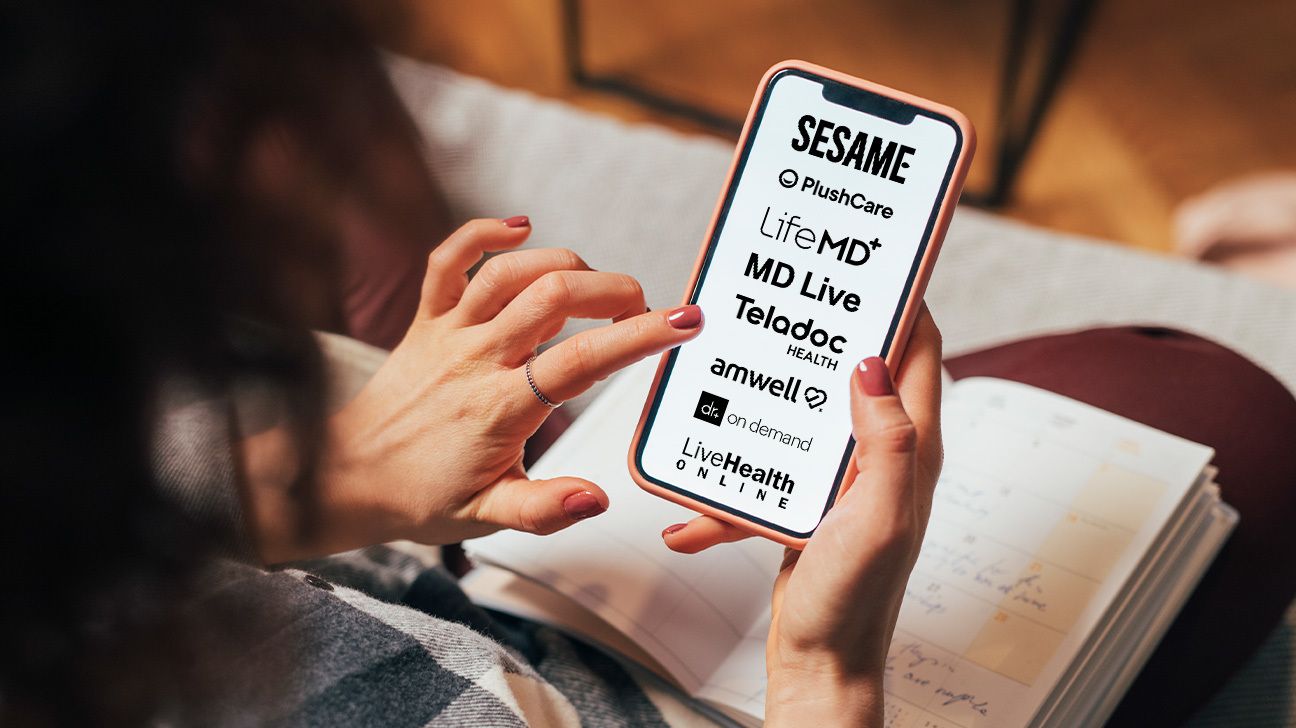
Choosing the best telehealth services for urgent care is important, though. Quality, speed, cost, and privacy all matter. In this article, you’ll learn which telehealth platforms are leading, what makes them stand out, and how to pick the right one for your urgent needs.
What Makes A Telehealth Service Great For Urgent Care?
Not all telehealth platforms are equal. For urgent care, fast access, qualified providers, and clear pricing are essential. Here’s what you should look for:
- Availability: 24/7 access means help is always there.
- Provider Quality: Licensed physicians, nurse practitioners, and sometimes specialists.
- Response Time: Quick connections, often under 10 minutes.
- Cost: Transparent fees, insurance compatibility.
- Privacy: Secure video and chat, HIPAA-compliant.
- Prescription Support: Ability to send prescriptions to your local pharmacy.
- Scope: Can handle most common urgent conditions, like fever, cough, minor injuries, rashes, and more.
Some beginners miss the point that not every urgent issue can be solved by telehealth. For example, serious injuries or chest pain need in-person care.
Top Telehealth Services For Urgent Care
Below, you’ll see the leading telehealth options, each excelling in different ways. Let’s look at their strengths, weaknesses, and who they suit best.
1. Teladoc Health
Teladoc Health is one of the largest telehealth providers in the US. It covers urgent care, mental health, and even specialty consults.
- Availability: 24/7 nationwide.
- Response Time: Usually within 10 minutes.
- Cost: $75 per urgent care visit (without insurance).
- Insurance: Accepts many major plans.
- Prescriptions: Can send to local pharmacies.
Teladoc is trusted by employers and insurance companies. Its large network means you rarely wait long. One insight: Teladoc offers Spanish-language support, which helps non-native English speakers.
2. Amwell
Amwell gives access to urgent care doctors, therapists, and pediatricians.
- Availability: 24/7 access.
- Cost: $79 per visit (without insurance).
- Response Time: 5–15 minutes.
- Insurance: Works with many health plans.
- Prescriptions: Yes.
Amwell’s platform is easy to use for beginners. It also lets you schedule follow-ups. Their app has high ratings for video quality and reliability.
3. Doctor On Demand
Doctor On Demand focuses on urgent care, behavioral health, and chronic care.
- Availability: 24/7.
- Cost: $75 for urgent care (no insurance).
- Response Time: 5–10 minutes.
- Insurance: Accepted by several insurers.
- Prescriptions: Yes.
Doctor On Demand is known for its thorough consultations. They often ask more detailed questions than other services, which can help with accurate diagnosis.
4. Mdlive
MDLive offers urgent care, dermatology, and mental health.
- Availability: 24/7.
- Cost: $75 per visit (without insurance).
- Response Time: Under 15 minutes.
- Insurance: Accepted by many plans.
- Prescriptions: Yes.
MDLive is strong for families and children’s care. It is also integrated with some insurance companies, making billing easier.
5. Plushcare
PlushCare connects you with board-certified doctors for urgent issues.
- Availability: 7 days a week, extended hours.
- Cost: $99 per visit (no membership), membership is $14.99/month (then $30 per visit).
- Response Time: 15 minutes or less.
- Insurance: Accepted.
- Prescriptions: Yes.
PlushCare stands out for quality. Doctors often have Ivy League backgrounds. The service is pricier, but people say the care feels personal.
6. Sesame Care
Sesame Care offers urgent care visits and price transparency.
- Availability: 7 days a week.
- Cost: $29–$49 per visit (no insurance needed).
- Response Time: Same-day appointments, often within an hour.
- Insurance: Not needed.
- Prescriptions: Yes.
Sesame Care is cheaper than most. You pay upfront and see the price before booking. This is good for people without insurance.
7. Memd (now Part Of Walmart Health)
MeMD provides urgent care and therapy.
- Availability: 24/7.
- Cost: $67 per urgent care visit.
- Response Time: Usually 10 minutes.
- Insurance: Accepted by some plans.
- Prescriptions: Yes.
MeMD is popular for its simplicity. Now part of Walmart Health, it’s expanding its network. Beginners often miss that MeMD also covers minor injuries.
8. Healthtap
HealthTap offers telehealth for urgent and ongoing care.
- Availability: 24/7.
- Cost: $99 per visit, or $15/month for membership (then $39 per visit).
- Response Time: Under 10 minutes.
- Insurance: Not needed.
- Prescriptions: Yes.
HealthTap has a large database of health Q&A, which can help you learn before your visit. Some users like the membership for frequent care.
9. Zocdoc
Zocdoc helps you find local doctors and urgent telehealth visits.
- Availability: Hours depend on provider.
- Cost: Varies, often $40–$80.
- Response Time: Same-day appointments, sometimes instant.
- Insurance: Accepted.
- Prescriptions: Yes.
Zocdoc is unique. You can choose from many doctors, see reviews, and book quickly. Non-obvious tip: Zocdoc is good for specialized urgent care (like allergies or minor injuries).
10. One Medical
One Medical blends telehealth and in-person care.
- Availability: 24/7 for telehealth.
- Cost: $199/year membership, visits often included.
- Response Time: Under 10 minutes.
- Insurance: Accepted.
- Prescriptions: Yes.
One Medical is good if you want both online and in-person options. Many users say the app is very easy for urgent questions.
Comparing Top Telehealth Services
To help you decide, here’s a quick comparison of key features:
| Service | 24/7 Availability | Avg. Cost per Visit | Response Time | Insurance Accepted | Prescription Support |
|---|---|---|---|---|---|
| Teladoc Health | Yes | $75 | 10 min | Yes | Yes |
| Amwell | Yes | $79 | 10 min | Yes | Yes |
| Doctor On Demand | Yes | $75 | 8 min | Yes | Yes |
| MDLive | Yes | $75 | 12 min | Yes | Yes |
| PlushCare | No (extended hours) | $99 | 15 min | Yes | Yes |
| Sesame Care | No (7 days) | $29-$49 | 1 hr | No | Yes |
Common Urgent Care Issues Treated Via Telehealth
Most telehealth urgent care platforms can handle:
- Colds and flu
- Sore throat
- Ear infections
- Allergies
- Minor skin rashes
- Urinary tract infections
- Sinus infections
- Pink eye
- Stomach upset
- Mild asthma or bronchitis
Some services also help with minor injuries (strains, sprains, cuts), but not all. If you have serious symptoms (like chest pain, severe bleeding, or trouble breathing), always go to an ER.

Key Factors To Consider When Choosing
Picking the best telehealth service depends on your needs. Consider these points:
- Speed: If you need help now, choose a platform with fast response.
- Cost: If you don’t have insurance, Sesame Care or Zocdoc can be cheaper.
- Insurance: If you have coverage, find a service that accepts your plan.
- Special Needs: Families with kids may prefer MDLive or Amwell, which have pediatric options.
- Language: Teladoc offers Spanish support; some platforms have interpreters.
- Prescription Needs: Make sure your urgent care provider can send prescriptions to your local pharmacy.
Here’s another helpful comparison for insurance and cost:
| Service | Insurance Accepted | Lowest Cost (No Insurance) | Membership Options |
|---|---|---|---|
| Teladoc Health | Yes | $75 | No |
| PlushCare | Yes | $99 | $14.99/mo |
| Sesame Care | No | $29 | No |
| HealthTap | No | $39 (with membership) | $15/mo |
How Telehealth Works For Urgent Care
The process is simple and similar across most services:
- Sign up: Create an account online or with the app.
- Choose your reason: Select “urgent care” and describe your symptoms.
- Select provider: Sometimes you can pick; other times you are matched.
- Join visit: Video or phone call, usually in minutes.
- Get diagnosis: Provider asks questions and reviews your symptoms.
- Receive prescription: If needed, sent to your pharmacy.
- Follow-up: Many platforms allow follow-up visits or messaging.
A practical tip: Make sure you have a good internet connection and a quiet place for your call.
Privacy And Security
All reputable telehealth providers use HIPAA-compliant systems. This means your health data and conversations are protected. You should check the privacy policy before using any platform.
Real-life Examples
Let’s see how telehealth works in practice:
- Sarah, a college student, wakes up with a sore throat and fever. She uses Doctor On Demand, connects in 8 minutes, and gets a diagnosis of strep throat. Her prescription is ready at her campus pharmacy in an hour.
- Juan, who doesn’t have insurance, uses Sesame Care for a skin rash. He pays $29, gets advice and a cream prescription, and avoids a costly ER bill.
- Mina, a busy mom, uses MDLive for her child’s ear pain. The doctor checks symptoms, reassures her, and sends antibiotics to her local pharmacy.
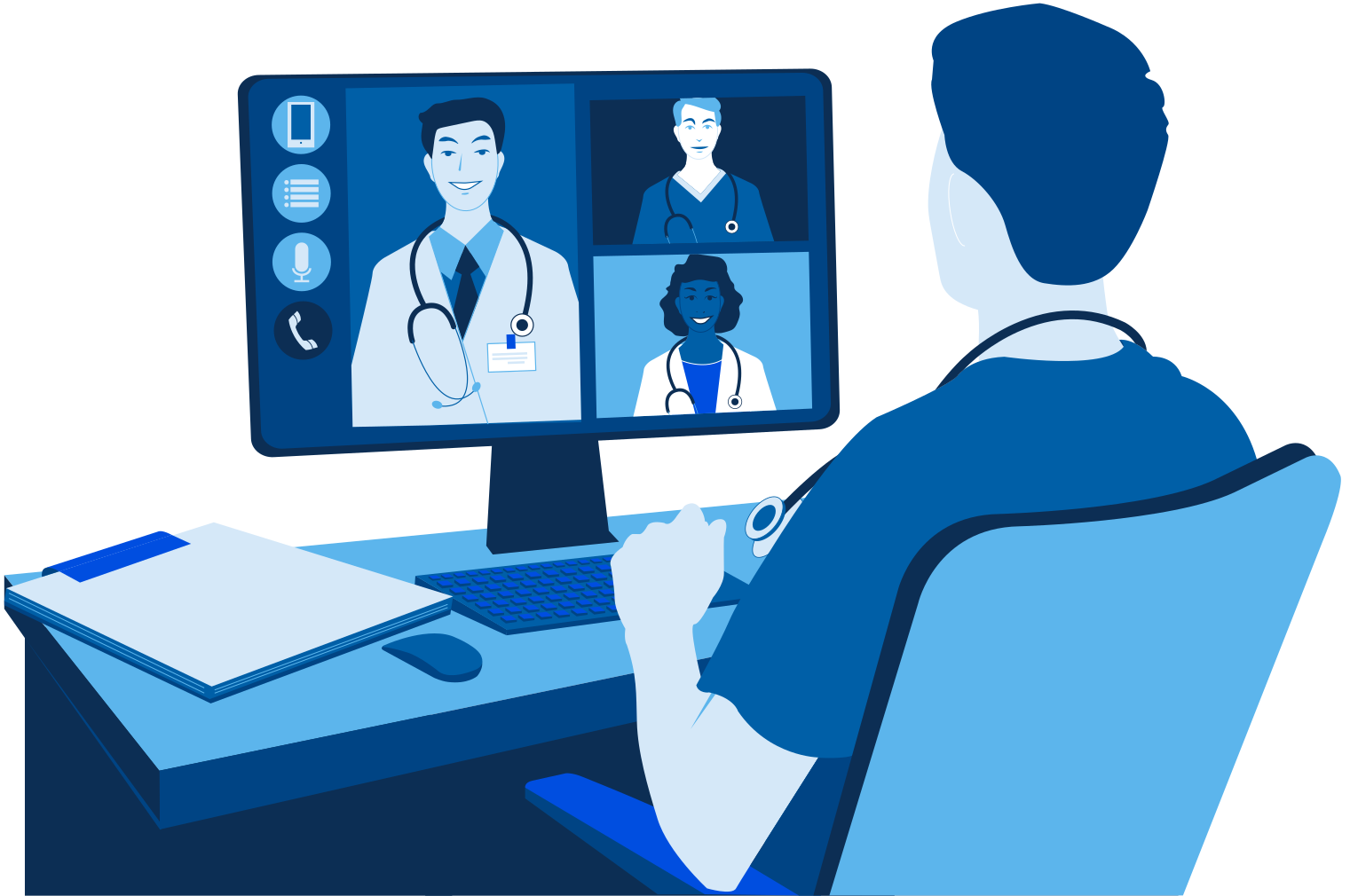
These examples show how telehealth brings urgent care to your phone, saves time, and can reduce costs.
Latest Trends And Data
Telehealth use has increased. According to the CDC, in 2021, 37% of adults used telehealth. During the pandemic, urgent care telehealth visits grew by over 500%. Now, many insurance plans cover telehealth as part of their benefits.
Some platforms are adding AI triage tools. These help direct patients to the right provider faster. Others are working on language support and accessibility, making telehealth easier for everyone.
For more details on telehealth growth, see this report from the CDC.
Tips For A Successful Urgent Telehealth Visit
- Write down your symptoms before the call.
- Keep your medication list handy.
- Take photos of any rashes or injuries.
- Use headphones for privacy.
- Ask questions if you don’t understand something.
Beginners often forget to ask about follow-up care. Most platforms allow you to message the doctor after your visit.
Frequently Asked Questions
What Conditions Can Telehealth Urgent Care Treat?
Telehealth urgent care can help with common illnesses like colds, flu, sore throat, allergies, skin rashes, urinary infections, pink eye, and mild injuries. For severe symptoms (like chest pain or major injuries), you must go to an ER.
How Fast Can I Get Help From Telehealth Urgent Care?
Most services connect you with a provider in under 15 minutes, some even faster. Sesame Care often offers same-day appointments if not instant.
Is Telehealth Urgent Care Covered By Insurance?
Many platforms accept insurance, but coverage varies. Teladoc, Amwell, MDLive, and Doctor On Demand accept several major plans. Always check your own policy.
Can Telehealth Doctors Prescribe Medicine?
Yes, most telehealth urgent care providers can send prescriptions to your local pharmacy for common medications. Controlled substances usually require in-person visits.
How Do I Know If Telehealth Is Safe For My Privacy?
Top platforms use secure video and chat, encrypt your data, and follow HIPAA rules. Read the privacy policy and choose a trusted provider.
Telehealth is now a reliable way to get urgent care from home. The best platform depends on your needs, budget, and insurance. Fast, affordable, and secure care is possible today—just a click away.
Read More:
- Affordable Health Insurance Quotes: Save More on Quality Coverage
- Compare Family Health Insurance Plans: Find the Best Coverage
- Private Medical Insurance UK: Your Guide to Better Health Cover
- Best Private Health Insurance Plans: Top Choices for 2024
- Short Term Health Insurance Online: Compare Top Plans Instantly
- Medicare Supplement Plans Comparison: Find the Best Coverage Now
- Medicare Dental and Vision Coverage: What You Need to Know
- Medicare Prescription Drug Plans: Save Big on Your Medications