
Millions of Americans rely on Medicare for health coverage, especially after age 65. But when it comes to dental and vision coverage, many people are surprised by the gaps in Original Medicare. Dental health and clear vision are important for quality of life, but understanding exactly what’s covered, what’s not, and how to fill these gaps isn’t always easy. This guide explains Medicare dental and vision coverage in clear, practical language—so you can make better decisions about your health.
What Original Medicare Covers
Original Medicare includes Part A (hospital insurance) and Part B (medical insurance). Many expect that these two parts will cover all health needs, but that’s not the case for dental and vision care.
Dental Coverage: Original Medicare does not cover most dental care. This includes routine checkups, cleanings, fillings, tooth extractions, dentures, and dental plates. It only covers dental services if they are an essential part of another covered procedure. For example, if you need a jaw reconstruction after an accident or need dental exams before a heart valve replacement, Medicare may pay for those services.
Vision Coverage: Vision benefits are also limited. Original Medicare does not pay for routine eye exams, glasses, or contact lenses. The only exceptions are:
- Annual eye exams for people with diabetes (to check for diabetic retinopathy)
- Tests for glaucoma for people at high risk
- Some treatments for macular degeneration
If you need eyeglasses or contact lenses after cataract surgery that implants an intraocular lens, Medicare will cover one pair of glasses or contacts.
Why Dental And Vision Care Matters
Ignoring dental and vision health can lead to bigger health problems. Poor oral health is linked to heart disease and diabetes. Untreated vision problems can cause falls and injuries, especially for older adults. According to the CDC, nearly one in five adults over 65 has lost all of their teeth, and about 12 million people over 40 in the US have vision impairment.
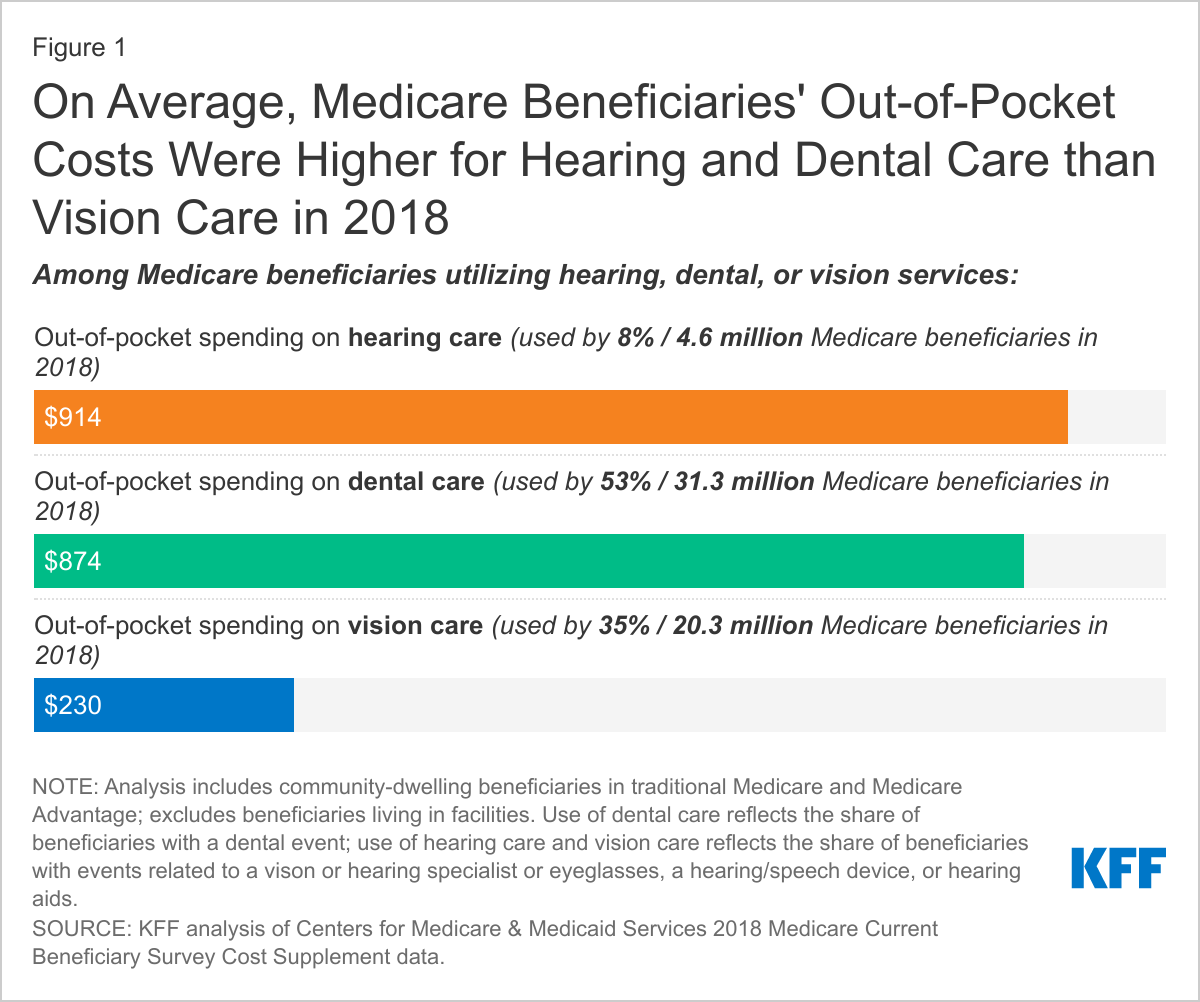
Most people don’t plan for these costs, and dental or vision emergencies can be expensive. For example, a simple dental crown can cost $800-$1,500, and a single pair of prescription glasses can cost hundreds of dollars.
Medicare Advantage (part C) And Extra Coverage
Many people turn to Medicare Advantage plans (Part C) to get more coverage. These plans are offered by private insurance companies approved by Medicare. They must cover everything Original Medicare covers, but most offer extra benefits—including some dental and vision care.
What Do Medicare Advantage Plans Offer?
Dental and vision benefits vary by plan and by location. Here’s a look at typical coverage:
| Service | Original Medicare | Medicare Advantage |
|---|---|---|
| Routine dental exams | No | Often Yes |
| Fillings and extractions | No | Sometimes |
| Dental implants | No | Rarely |
| Annual eye exam | No (except for certain conditions) | Often Yes |
| Prescription glasses | Only after cataract surgery | Often Yes |
Plans might set a dollar limit (for example, $1,000 per year for dental), and you may need to use network providers. Not all plans are equal, so it’s important to read the details before enrolling.
Common Limitations
- Annual maximums: Most plans cap how much they’ll pay for dental or vision each year.
- Network restrictions: You may need to see specific dentists or eye doctors.
- Service exclusions: Major procedures (like implants) may not be covered.
- Waiting periods: Some plans require you to wait months before major dental work is covered.
Standalone Dental And Vision Insurance
If you want more than what your Medicare Advantage plan offers—or you have Original Medicare—you can buy separate dental and vision insurance. These are private plans you pay for on your own.
How Standalone Plans Work
You pay a monthly premium, and the plan helps cover routine checkups, fillings, glasses, or contacts. But:
- Not all procedures are covered right away. Some have waiting periods.
- There may be deductibles, copays, and annual maximums.
- You may have to use a provider in the plan’s network.
Here’s an example comparison of typical standalone dental and vision insurance features:
| Feature | Dental Insurance | Vision Insurance |
|---|---|---|
| Monthly premium | $20–$50 | $10–$20 |
| Routine exams covered | 2 per year | 1 per year |
| Major procedures | 50%–70% after waiting period | Not covered |
| Glasses/Contacts | Not covered | Allowance (e.g., $150 every 1–2 years) |
| Annual maximum | $1,000–$2,000 | Usually N/A |
When Standalone Plans Make Sense
- You have Original Medicare only
- Your Medicare Advantage plan’s coverage is too limited
- You want more provider choices
Standalone plans often have more dentist and eye doctor choices, but be careful to check the waiting periods and what is *not* covered. Sometimes, paying cash for minor procedures can be cheaper than buying insurance.

Medicaid, Veterans, And Other Special Programs
Some people qualify for extra help through Medicaid or Veterans Affairs (VA). Medicaid dental and vision benefits vary by state—some states cover a lot, others very little. VA benefits can be strong for those who qualify.
If you are low-income or have special health needs, check if you qualify for these programs. They can fill the gaps that Medicare leaves.
Out-of-pocket Costs: What To Expect
For most Medicare beneficiaries, dental and vision care means paying out of pocket. Here’s what you might pay for common services without insurance:
| Service | Typical Cost |
|---|---|
| Dental cleaning (adult) | $75–$200 |
| Filling (one tooth) | $150–$400 |
| Tooth extraction | $150–$300 |
| Dentures (complete set) | $1,000–$3,000 |
| Eye exam | $75–$200 |
| Prescription glasses | $100–$400 |
Dental emergencies can be costly, and vision problems can lead to accidents. It’s important to plan for these expenses, even if you’re healthy now.
How To Choose The Right Coverage
Selecting the best dental and vision coverage with Medicare depends on your health, budget, and priorities. Here’s a step-by-step approach:
- Check what you have now. Look at your current Medicare plan—does it include dental or vision benefits?
- List your needs. Do you need regular cleanings, glasses, or major dental work?
- Compare Medicare Advantage plans. Check if local plans offer enough dental and vision benefits. Pay attention to annual maximums, provider networks, and waiting periods.
- Consider standalone insurance. If you want more choice or coverage, look at private dental and vision plans.
- Estimate out-of-pocket costs. Sometimes, paying cash for minor care is cheaper than buying extra insurance.
- Don’t forget Medicaid or VA. If you qualify, these programs may offer better coverage.
Non-obvious tip: Sometimes dental and vision discounts are available through senior organizations or membership groups. These aren’t insurance, but they can lower costs for routine care.
Common Mistakes To Avoid
- Assuming Medicare covers everything. Many people are caught off guard by dental or vision bills.
- Not reading plan details. Medicare Advantage and standalone plans have limits, exclusions, and provider rules.
- Ignoring annual limits. Even if a plan covers dental, you may still pay a lot for big procedures if you hit the yearly maximum.
- Missing enrollment windows. Some plans only let you join or change coverage at certain times each year.
- Forgetting about waiting periods. Many dental plans make you wait before covering expensive procedures.
A little research can help you avoid these common problems.
The Future Of Medicare Dental And Vision Coverage
There’s regular debate about expanding Medicare dental and vision benefits. Some lawmakers support adding routine dental and vision care to Original Medicare, but so far, no major changes have passed. For now, most people need to rely on Medicare Advantage, standalone insurance, or pay out of pocket.
Policy changes are possible in the future. It’s a good idea to review your coverage every year, especially during the Medicare Open Enrollment Period (October 15 to December 7).
Frequently Asked Questions
Does Original Medicare Pay For Dental Cleanings Or Glasses?
No, Original Medicare does not cover routine dental cleanings, fillings, dentures, or eyeglasses, except for one pair after cataract surgery. Most people need extra insurance or pay out of pocket for these services.
Can I Add Dental Or Vision Coverage To My Medicare Plan?
Yes, you can get dental and vision benefits by joining a Medicare Advantage (Part C) plan that offers them or by buying separate private insurance. Check plan details carefully, as coverage levels and provider networks can be very different.
What Are Typical Costs For Dental And Vision Services Without Coverage?
Without insurance, you might pay $75–$200 for a dental cleaning, $150–$400 for a filling, and $100–$400 for prescription glasses. Major dental work, like crowns or dentures, can be much more expensive.
Do Medicare Supplement (medigap) Plans Cover Dental Or Vision?
No, Medigap policies do not cover routine dental or vision services. They only help pay costs that Original Medicare covers, such as coinsurance or deductibles for doctor visits and hospital stays.
Where Can I Find More Information On Medicare Dental And Vision Coverage?
You can learn more at the official Medicare.gov dental services page. It’s a good resource for up-to-date details and links to local insurance options.
—
Taking care of your teeth and eyes is an important part of healthy aging. While Original Medicare leaves gaps, there are ways to get the coverage you need. Compare your options each year, plan for out-of-pocket costs, and don’t be afraid to ask questions.
The right dental and vision coverage can help you stay healthy, independent, and confident for years to come.

Read More:
- Affordable Health Insurance Quotes: Save More on Quality Coverage
- Compare Family Health Insurance Plans: Find the Best Coverage
- Private Medical Insurance UK: Your Guide to Better Health Cover
- Best Private Health Insurance Plans: Top Choices for 2024
- Short Term Health Insurance Online: Compare Top Plans Instantly
- Medicare Supplement Plans Comparison: Find the Best Coverage Now
- Medicare Prescription Drug Plans: Save Big on Your Medications
- Best Medicare Advantage Plans: Top Picks for 2024 Coverage