

Choosing the right family health insurance plan can feel overwhelming. There are dozens of options, each promising security and peace of mind for your loved ones. But how do you know which plan is best? Price, coverage, network size, and extra benefits all matter. If you pick the wrong plan, you might pay more than you need, or face unexpected costs during emergencies. This guide will help you compare family health insurance plans simply and confidently. You’ll learn what to look for, which features are most important, and how to avoid common mistakes. By the end, you’ll feel ready to make a smart choice for your family’s health and finances.
What Is Family Health Insurance?
A family health insurance plan is a policy that covers health expenses for multiple members of a household. Usually, it includes parents and dependent children. Sometimes, you can add grandparents or other relatives. Instead of buying separate plans for each person, you pay one premium and get coverage for everyone.
Most family plans cover:
- Hospital stays
- Doctor visits
- Medicines
- Emergency care
- Preventive services
Some plans also include dental, vision, or mental health care. Coverage and costs vary between providers.
Types Of Family Health Insurance Plans
Understanding the main types of plans helps you decide what’s best for your family. The three most common are Health Maintenance Organization (HMO), Preferred Provider Organization (PPO), and Exclusive Provider Organization (EPO). Let’s see how they compare.
| Plan Type | Network Flexibility | Primary Care Needed? | Cost Level | Out-of-Network Coverage |
|---|---|---|---|---|
| HMO | Limited | Yes | Lower | No |
| PPO | Wide | No | Higher | Yes |
| EPO | Medium | No | Medium | No |
- HMO: You must use doctors and hospitals in the plan’s network. You need a primary care doctor and referrals to see specialists. Costs are usually lower, but flexibility is limited.
- PPO: You can see any doctor, but pay less in-network. No referrals needed. These plans cost more, but offer freedom.
- EPO: You get a mix—no referrals, but you must stay in-network. Out-of-network care is not covered except emergencies.
Key Factors To Compare
When shopping for family health insurance, compare plans using these important factors:
1. Monthly Premiums
The premium is what you pay every month for your plan. Lower premiums often mean higher out-of-pocket costs when you use care. It’s tempting to choose the cheapest plan, but make sure it fits your family’s needs.
2. Deductibles And Copayments
The deductible is the amount you pay for care before insurance starts to pay. Copayments are small fees for doctor visits or medicines. Some plans have high deductibles but low premiums, which works well for healthy families who don’t visit doctors often.
| Plan Name | Monthly Premium | Deductible | Office Visit Copay |
|---|---|---|---|
| Family Saver HMO | $350 | $3,000 | $30 |
| Family Flex PPO | $500 | $1,000 | $25 |
| Family Secure EPO | $400 | $2,500 | $35 |
3. Network Size And Quality
Networks are groups of doctors, clinics, and hospitals that work with your insurance. A bigger network means more choices. Always check if your family’s doctors and preferred hospitals are included.
4. Coverage For Children
Children often need special care—vaccinations, regular checkups, and sometimes dental or vision. Some plans cover these fully, others only partly. Review what’s included for children under your plan.
5. Prescription Drug Coverage
Medication costs can add up. Good plans cover most common medicines, but some have limits or higher copays. Check the plan’s drug list, called a formulary, to see if your family’s prescriptions are covered.
6. Extra Benefits
Some plans offer extras: telemedicine, wellness programs, gym discounts, or mental health services. These benefits can improve your family’s health and save money.
7. Out-of-pocket Maximum
This is the most you pay in a year, not counting premiums. After you reach this amount, the plan pays 100% of covered costs. For families, this limit is important during serious illness or accidents.
Comparing Popular Family Health Insurance Plans
Let’s review three popular family health insurance plans in the US. This will help you see how different plans stack up.
| Plan | Premium | Deductible | Network | Child Coverage | Prescription | Extras |
|---|---|---|---|---|---|---|
| Blue Cross Family Choice HMO | $380 | $2,500 | Large | Full | Good | Telemedicine, Wellness |
| United Health Family PPO | $520 | $1,200 | Very Large | Full | Excellent | Mental Health, Gym |
| Kaiser Family EPO | $410 | $2,700 | Medium | Partial | Average | Dental, Vision |
Blue Cross Family Choice HMO is a strong budget option. The network is large, covering most cities. Child coverage is full—vaccines, checkups, and some dental. Telemedicine is included for routine care.
United Health Family PPO costs more but offers a very large network. You can visit doctors nationwide. Prescription coverage is excellent, including many specialty drugs. Mental health services and gym discounts add value.
Kaiser Family EPO sits in the middle. It offers dental and vision, which can be helpful for families with children. The network is smaller, so check if your local doctors are included.
Non-obvious Insights For Choosing
Most buyers focus on price and deductible, but two other things often get ignored:
- Annual Rate Changes: Insurance companies can change premiums each year. Ask about typical increases. A low first-year premium can jump higher later.
- Plan Renewal Rules: Some plans may not guarantee renewal if you file many claims. Always check if you’re protected from being dropped.
Another tip: Many plans offer free preventive care, like annual checkups or flu shots. These are required by law under most ACA plans. Using them keeps your family healthy and lowers long-term costs.
Common Mistakes When Comparing Plans
Avoid these mistakes when shopping for family health insurance:
- Ignoring Network Limits: If your family’s doctor is not in-network, you might pay much more or lose coverage.
- Overlooking Prescription Limits: Not all medicines are covered. Check the formulary for your family’s regular drugs.
- Underestimating Out-of-Pocket Maximum: This limit matters most during emergencies. Choose a plan with a reasonable cap.
- Missing Child-Specific Benefits: Vision, dental, and growth checkups are sometimes excluded. Look for plans that cover these.
- Skipping Annual Reviews: Your needs change. Review your plan every year, especially after major life events.
How To Compare Plans Step By Step
If you want a practical approach, follow these steps:
- List Your Family’s Needs
- Note age, health issues, medicines, preferred doctors, and extras like dental or vision.
- Check Available Plans
- Use state marketplaces, employer options, or private insurers.
- Compare Key Features
- Look at premiums, deductibles, network size, drug coverage, and child benefits.
- Estimate Total Costs
- Add premium, expected copays, deductibles, and possible out-of-pocket maximums.
- Review Plan Ratings
- Read reviews and ratings from trusted sources like the National Committee for Quality Assurance or government websites.
- Ask Questions
- Contact insurers to clarify unclear points—especially about renewals and rate changes.
Real-life Example: Comparing Two Plans
Imagine a family of four: parents, two children (ages 7 and 12). Both kids need regular checkups and glasses. The parents take daily medication.
- Plan A: HMO, $350/month, $3,000 deductible, covers dental and vision for kids, medicine copay $30.
- Plan B: PPO, $520/month, $1,200 deductible, no dental/vision, medicine copay $20.
If you value low monthly cost and child extras, Plan A makes sense. If you want flexibility to see any doctor and lower deductible, Plan B is better. The higher monthly premium for Plan B may pay off if you expect lots of doctor visits or specialist care.

Data: Family Health Insurance Trends In The Us
According to the Kaiser Family Foundation, the average annual premium for family coverage in 2023 was $23,968, with employees paying about $6,575. Deductibles have risen steadily over the last decade. Many families choose high-deductible plans to save on premiums, but out-of-pocket costs can be high during illness.
The Affordable Care Act (ACA) requires plans to cover preventive care, maternity, and children’s health. Most plans now include these benefits, but coverage levels vary.
When Should You Review Or Change Your Plan?
Life changes can affect your insurance needs:
- New baby or adoption
- Moving to a new city
- Change in family health status
- Loss of job or new employment
Review your plan after big events. Check for open enrollment periods—usually once a year—or qualifying life events that allow changes.
Resources For Comparing Family Health Insurance Plans
Use online tools to compare plans. The government’s HealthCare. gov site lets you review options and estimate costs. Some private sites also offer comparison tools, but make sure they are reputable.
If you need more information about how health insurance works, visit HealthCare.gov for detailed guides and official resources.
Frequently Asked Questions
What Is The Difference Between Individual And Family Health Insurance Plans?
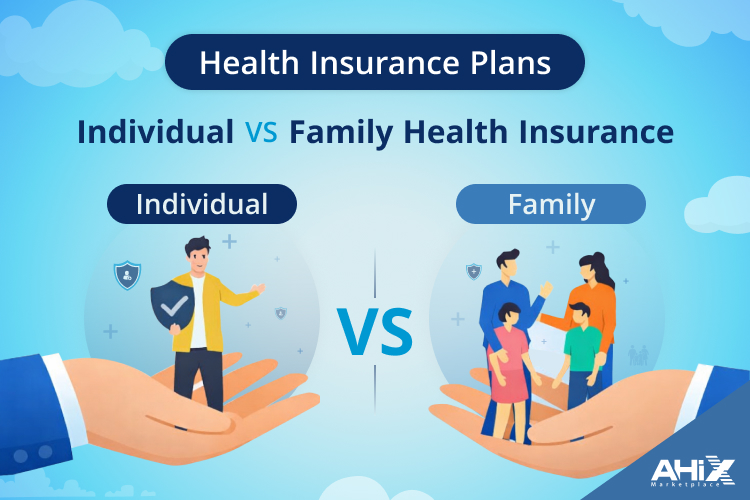
Individual plans cover one person. Family plans cover multiple people, usually parents and children. Family plans can be cheaper per person than buying separate individual policies.
Does Family Health Insurance Cover Dental And Vision?
Some plans include dental and vision for children, but many do not for adults. Always check your plan’s details. You may need to buy separate coverage.
Can I Add Grandparents Or Other Relatives To My Family Plan?
Most plans cover immediate family—spouse and children. Some allow adding other dependents, but rules vary. Ask your insurer for specifics.
How Do I Know If My Doctor Is In-network?
Check the provider directory for your plan. You can also call your doctor’s office and ask if they accept your insurance.
What Happens If I Need Care Outside My Plan’s Network?
If your plan is HMO or EPO, out-of-network care is usually not covered except emergencies. PPO plans cover some out-of-network care, but you pay more.
Choosing the best family health insurance plan takes time and careful comparison. Focus on what matters most: coverage for your family’s needs, cost, network quality, and extras. Avoid common mistakes and ask questions before you decide. Remember, your family’s health and finances depend on this choice—use this guide to make a confident decision.
Read More:
- Affordable Health Insurance Quotes: Save More on Quality Coverage
- Private Medical Insurance UK: Your Guide to Better Health Cover
- Best Private Health Insurance Plans: Top Choices for 2024
- Short Term Health Insurance Online: Compare Top Plans Instantly
- Medicare Supplement Plans Comparison: Find the Best Coverage Now
- Medicare Dental and Vision Coverage: What You Need to Know
- Medicare Prescription Drug Plans: Save Big on Your Medications
- Best Medicare Advantage Plans: Top Picks for 2024 Coverage